Sherly: A Versatile Handwritten Font for Creative Projects
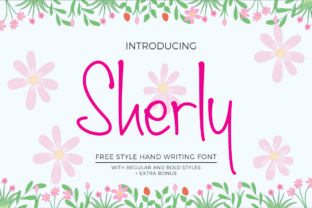
Sherly is a simple handwritten font that offers a warm, personal touch to any design. Its clean lines and natural feel make it ideal for a wide range of applications, from casual notes to professional projects. With two variations—Regular and Bold—Sherly provides flexibility for different design needs.
When to Use Sherly in Design Projects
One of the most common uses for Sherly is in print media. For example, wedding invitations often benefit from a font that feels authentic and heartfelt. Sherly’s handwriting style adds a personal flair that complements the romantic tone of such events. Whether you're designing a save-the-date card or a thank-you note, Sherly can help convey sincerity and charm.
Posters and banners also gain a unique identity with Sherly. In a world dominated by sleek, modern fonts, Sherly stands out by offering a more organic look. This makes it perfect for art shows, local events, or community announcements where a friendly, approachable design is key.
Applications in Everyday Design
Recipe cards are another area where Sherly shines. Home cooks and bakers often appreciate the personal touch that a handwritten font brings to their notes. Using Sherly on a recipe card can make it feel like it was written by hand, adding a nostalgic element to the dish itself. It works well for both family recipes and creative culinary experiments.
Menu design is another practical use case. Restaurants looking to add a cozy, homemade feel to their menus can use Sherly to label dishes or add special notes. The font’s readability ensures that customers can easily read the information while still enjoying the aesthetic appeal.
Why Different Users Benefit from Sherly
Designers working on branding projects may find Sherly useful for creating a consistent visual identity. For instance, a boutique coffee shop might use Sherly for its logo or signage to reflect a crafty, artisanal vibe. The font’s simplicity allows it to blend well with other design elements without overwhelming them.
Small business owners who need affordable design solutions can also benefit from Sherly. It’s an accessible option for those who want to add a personal touch to their marketing materials without hiring a professional designer. From social media posts to business cards, Sherly can elevate the look of any project.
Considerations Before Using Sherly
Before choosing Sherly, it’s important to consider the context in which it will be used. While it’s great for casual or creative projects, it may not be suitable for formal documents where a more traditional font is expected. For example, legal contracts or academic papers typically require a serif or sans-serif font for clarity and professionalism.
Readability is another factor to keep in mind. Although Sherly is legible at larger sizes, it may become harder to read when used in small text. This means it’s best suited for headings, titles, or short phrases rather than long blocks of text.
Exploring Real-World Scenarios
Teachers and educators often use Sherly for classroom materials. Flashcards, worksheets, and bulletin board signs can take on a more engaging look with the font’s friendly appearance. It helps create a welcoming environment that encourages learning and creativity.
Event planners may also find Sherly helpful for creating custom signage. Whether it’s a birthday party, graduation celebration, or corporate event, the font can add a personalized touch that makes the occasion feel more special. It works well for guest name tags, schedules, or decorative elements.
Strengths and Limitations of Sherly
The strength of Sherly lies in its versatility. It can adapt to different styles and purposes, making it a go-to choice for many designers. Its handwritten feel adds a human element that digital fonts sometimes lack. This makes it ideal for projects that aim to connect with the audience on an emotional level.
However, there are limitations to consider. As mentioned earlier, its suitability depends on the context. In high-stakes or formal environments, Sherly may not be the best choice. Additionally, users should ensure they have the proper licensing if they plan to use the font commercially.
How to Incorporate Sherly into Your Work
For those interested in using Sherly, it’s important to experiment with different sizes and placements. Testing the font in various formats can help determine how it performs in real-world scenarios. Many designers start by applying it to a small section of a project before expanding its use.
Online tools and design platforms often offer access to Sherly, making it easy to integrate into digital projects. Whether you’re working on a website, social media graphic, or printed material, having access to the font can streamline the design process and enhance the final result.