Quick: A Sleek and Sophisticated Font for Modern Design
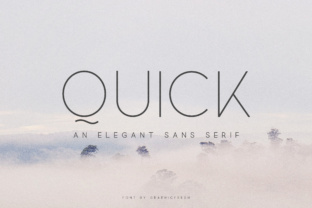
Quick is a modern sans serif font that brings a sense of elegance and simplicity to any design project. Its clean lines and minimal approach make it ideal for a variety of applications, from headlines to body text. Whether you're working on a website, branding material, or print design, Quick offers a stylish and versatile option that can elevate your work.
Understanding the Quick Font
Quick is designed with a focus on clarity and readability. Its character set is carefully crafted to ensure that each letterform is both functional and aesthetically pleasing. The font maintains a consistent weight across all characters, which helps in creating a balanced and professional look. This makes it particularly well-suited for projects where visual harmony is important.
One of the standout features of Quick is its adaptability. It works just as well in large display sizes as it does in smaller body text. This versatility allows designers to use it throughout a project without worrying about inconsistencies in style or legibility.
Real-World Applications of Quick
Quick shines in a wide range of design scenarios. For instance, in web design, it can be used for headings and subheadings to create a modern and inviting interface. Its clean appearance helps draw attention to key information while maintaining a professional tone. This makes it a popular choice for websites that aim to convey sophistication and clarity.
In branding, Quick can serve as the foundation for a company's visual identity. Its minimalist approach aligns well with contemporary design trends, making it a great fit for startups, tech companies, and creative agencies. Using Quick in logos, business cards, and marketing materials can help establish a strong and memorable brand presence.
For print media, Quick is an excellent choice for brochures, magazines, and other publications. Its readability ensures that readers can easily engage with the content, while its aesthetic appeal adds a touch of refinement. Whether you're designing a product catalog or a newsletter, Quick can enhance the overall look and feel of your printed materials.
Scenarios Where Quick Excels
Quick is particularly effective in digital environments where space and clarity are important. For example, in mobile app design, it can be used for navigation menus, buttons, and labels. Its compact yet legible structure ensures that users can quickly understand and interact with the interface, even on smaller screens.
Another area where Quick excels is in editorial design. Whether you're creating a magazine layout or a blog post, the font's clean lines and balanced proportions contribute to a visually appealing composition. It pairs well with other fonts, allowing for creative combinations that can add depth and interest to your designs.
For social media content, Quick can be used to create eye-catching headlines and captions. Its modern look aligns with current design trends, making it a go-to choice for brands looking to maintain a fresh and engaging online presence. When paired with bold colors or dynamic imagery, Quick can help your posts stand out in a crowded digital landscape.
Who Benefits from Using Quick?
Designers who prioritize simplicity and elegance will find Quick to be a valuable addition to their toolkit. Its clean aesthetic appeals to those who want to create designs that feel modern and uncluttered. Whether you're a seasoned designer or just starting out, Quick offers a reliable and stylish option for a wide range of projects.
Business owners and marketers can also benefit from using Quick. Its professional look can help reinforce brand credibility and consistency. By incorporating Quick into their marketing materials, businesses can create a cohesive visual identity that resonates with their target audience.
Content creators and writers may find that Quick enhances the readability of their work. When used in blogs, e-books, or online articles, the font's clear and structured design helps readers stay engaged and focused. This is especially important in digital publishing, where user experience plays a crucial role in content consumption.
Considerations Before Using Quick
Before implementing Quick in your design, it's important to consider the context in which it will be used. While it's highly readable in most situations, there may be cases where alternative fonts are more appropriate. For example, in very small text sizes, certain characters may appear slightly less distinct, so it's worth testing the font at different scales.
Additionally, it's essential to evaluate how Quick interacts with other design elements. The font's minimalist nature means that it can sometimes blend too much with background colors or other typefaces. To avoid this, consider using contrasting colors or pairing it with complementary fonts that add visual interest without overwhelming the design.
Accessibility is another factor to keep in mind. While Quick is generally easy to read, it's always a good idea to test it with different screen sizes and resolutions to ensure that it remains legible for all users. This is especially important for websites and digital interfaces that need to accommodate a diverse audience.
Strengths and Limitations of Quick
One of the main strengths of Quick is its versatility. It can be used across various mediums and design styles, making it a practical choice for many projects. Its clean and modern appearance also gives it a timeless quality, ensuring that it remains relevant even as design trends evolve.
However, there are some limitations to consider. While Quick is highly readable, it may not be the best choice for projects that require a more distinctive or ornate typeface. If you're aiming for a unique or artistic look, you may need to explore other options that offer more variation in style and character design.
Another consideration is the availability of the font. Depending on your design software or platform, you may need to purchase or license Quick before using it. Be sure to check the licensing terms to ensure that it meets your specific needs and requirements.